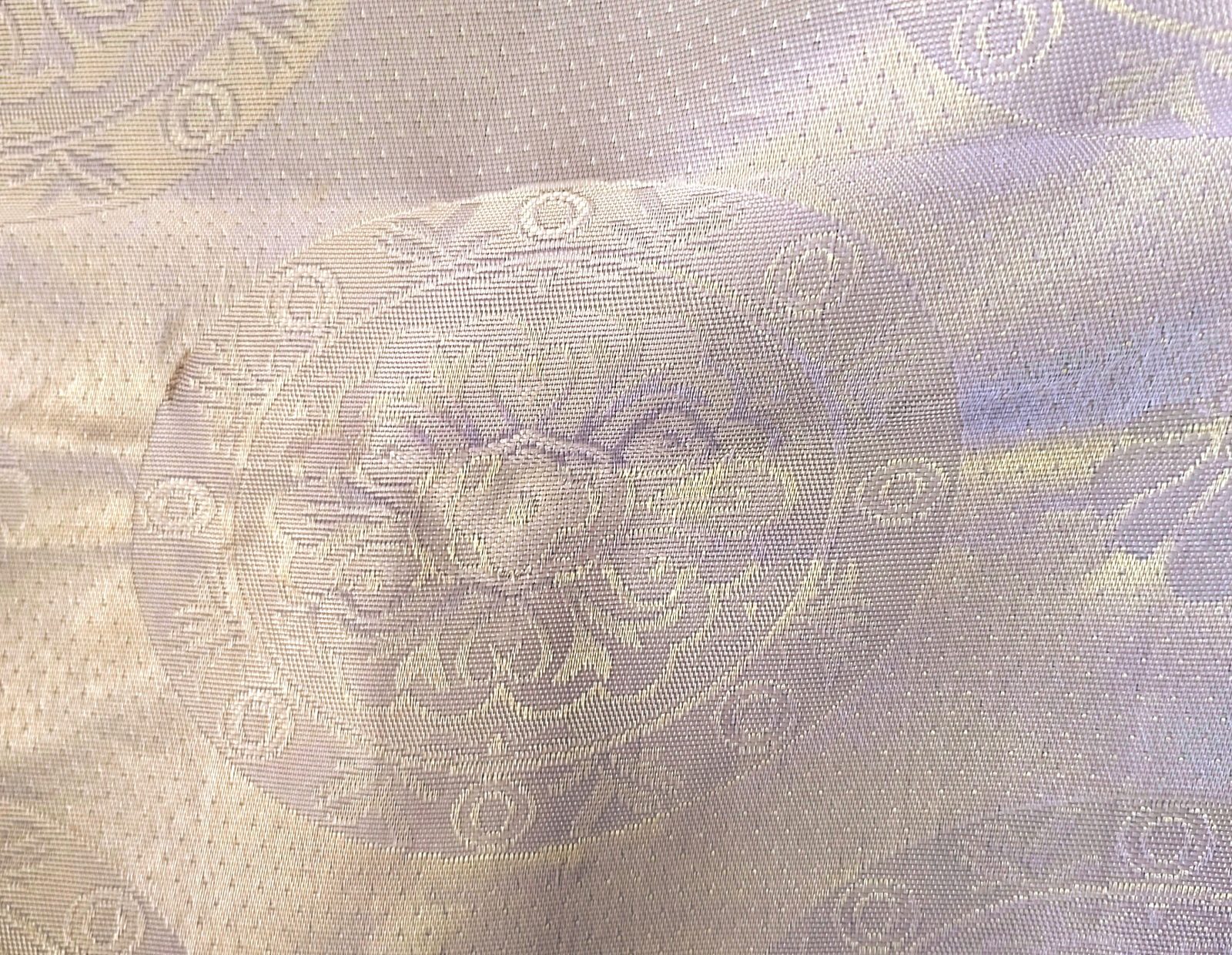
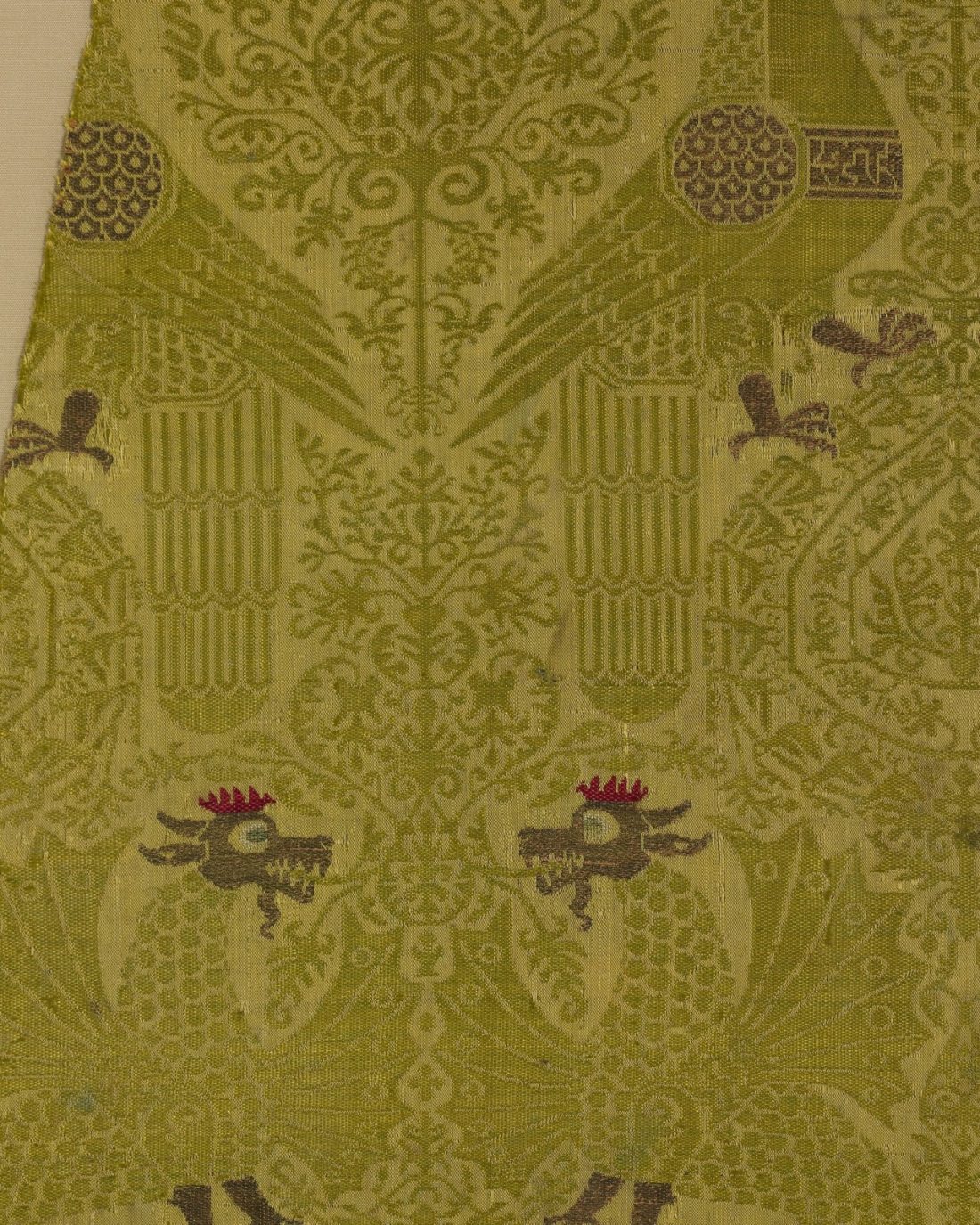
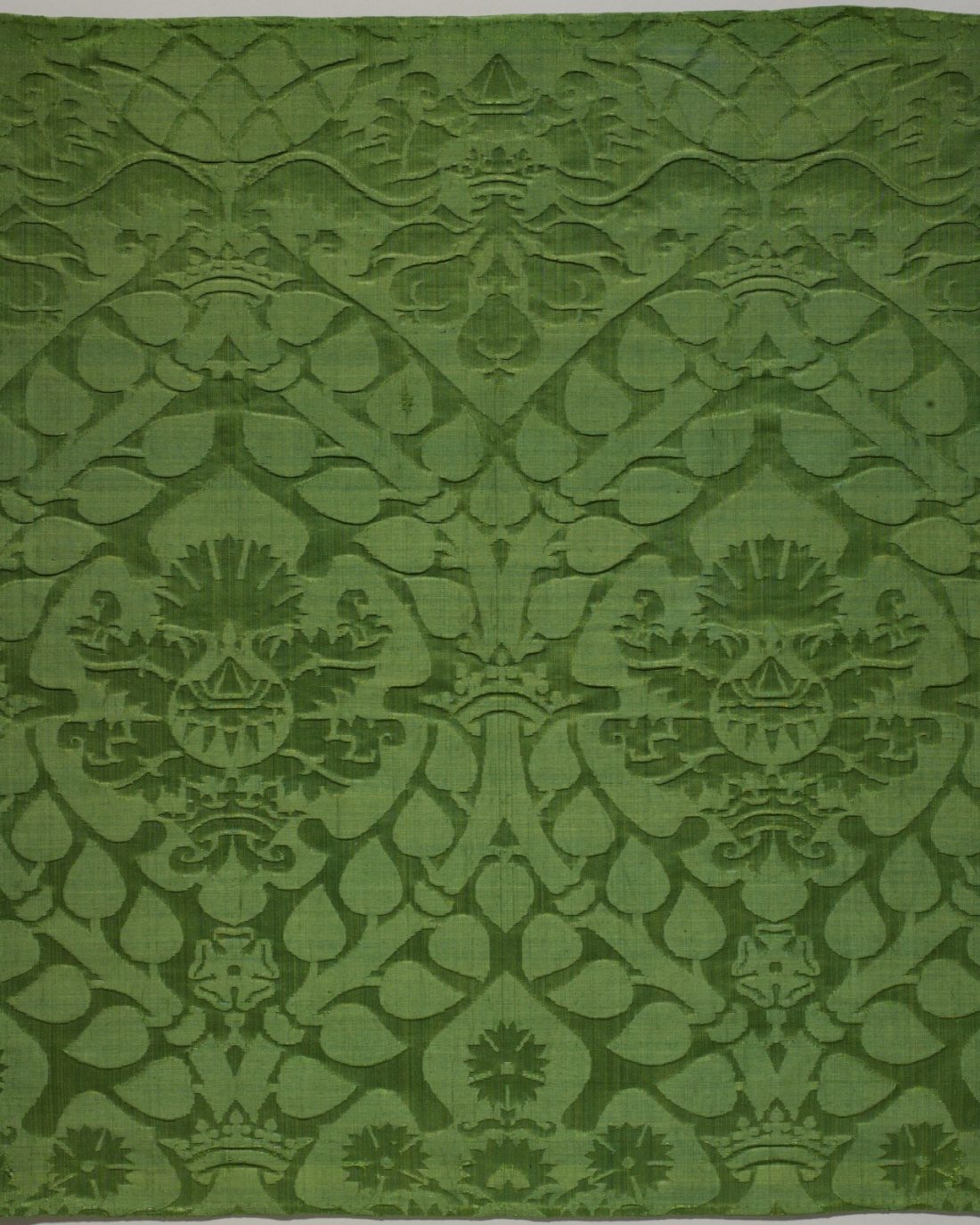
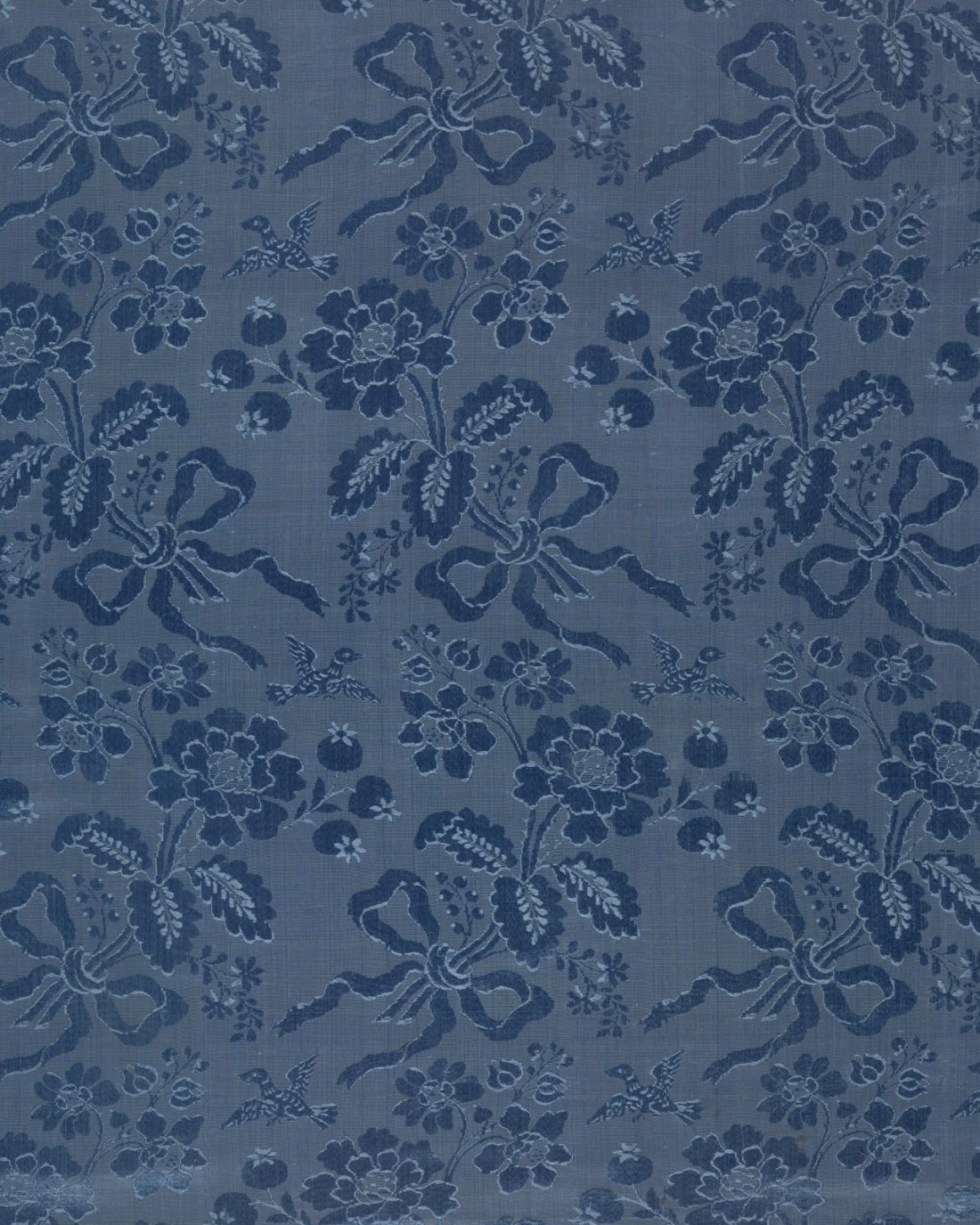
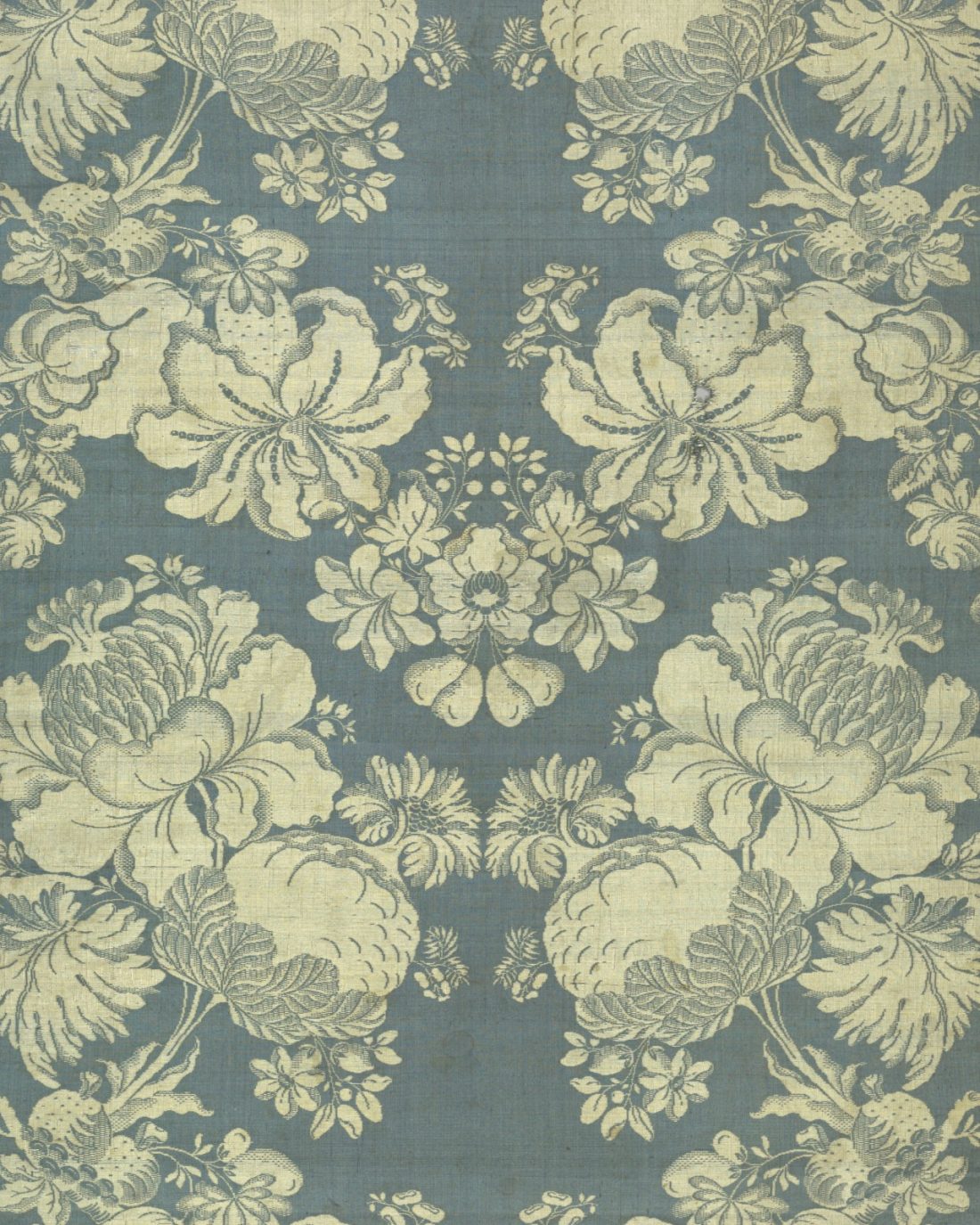
We print nothing. Every colour and every sheen on this cloth comes from the way the yarn is interlaced — change the structure and you change the path light takes through it. That is when a fabric starts to shine.
32looms running 11,400bolts a year
OEKO-TEX Standard 1006A grade mulberry silkTraceable to the filatureDrafts developed in houseShort runs from 30 metresSupplying 14 couture ateliersConservation-grade reproductionOEKO-TEX Standard 1006A grade mulberry silkTraceable to the filatureDrafts developed in houseShort runs from 30 metresSupplying 14 couture ateliersConservation-grade reproduction
02Silk · currently on the looms
Every bolt still carries the number of the loom it came off
A fabric is not a square on a colour card. Each of these can be traced to the loom that wove it, the sett it was woven at, and every finishing bath it went through. Anyone buying it is entitled to know that.
Twenty-four hand looms in a shed built for daylight
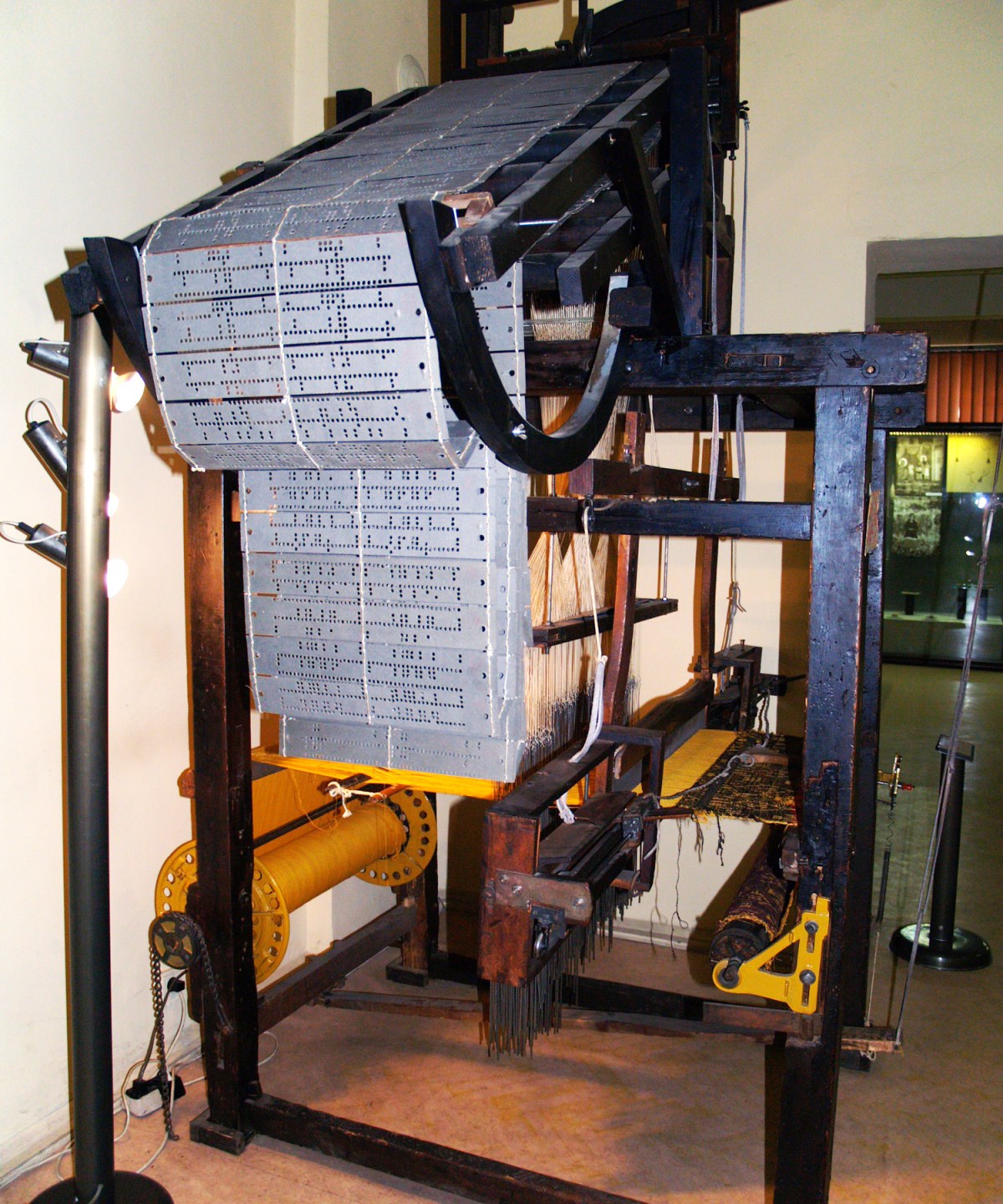
The building went up in 1927 as a throwing shed and was converted to weaving in 1958. The twenty-four hand looms still here give three to four metres a day each — slow, but the yarn is never dragged, and that is why the satin face still has life in it.
Eight electronic jacquards handle complex figuring and volume. Old and new stand side by side because they are good at different things, not out of nostalgia.
The draft comes first. Then the cloth.
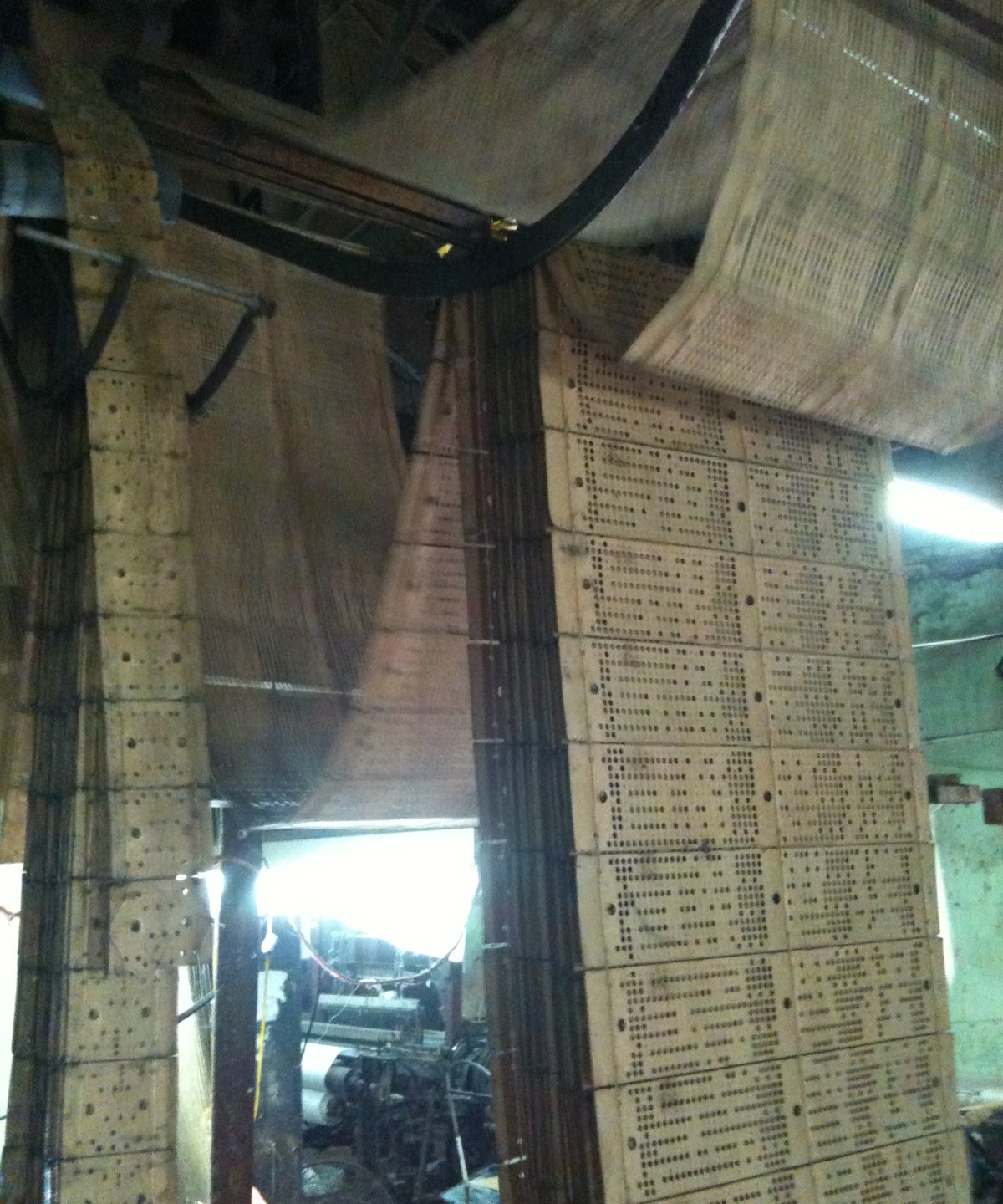
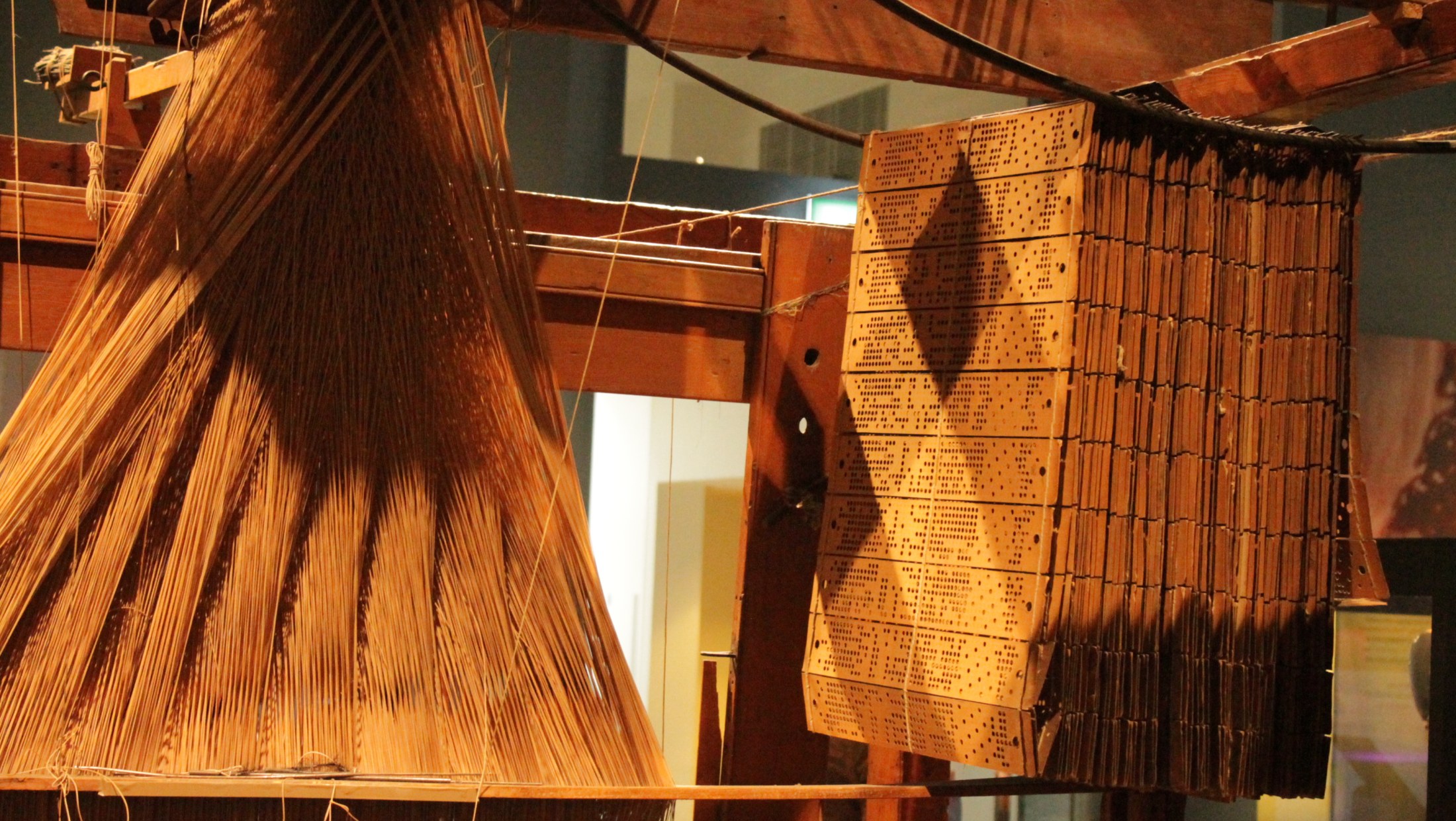
Before anything is warped, the draft goes onto squared paper: which end goes through which shaft, and which shafts lift on which treadle. One square wrong is a fault running the entire length of the piece.
So we put the draft online. You can change it yourself and watch the structure rewrite the cloth in real time.
1927weaving since · Macclesfield
04Interactive
A drawdown is not drawn. It is computed.
Threading assigns every warp end to a shaft. The tie-up says which shafts rise on which treadle. Treadling says which treadle each pick uses. Fix those three and the cloth is decided — the diagram below solves it live. Click anywhere on it.
Rush any one of them and it shows up later in the way the satin face takes light.
01 REELING
Reeling
Cocoons are softened in hot water and eight to ten filaments are drawn off together as one raw thread.
02 DOUBLING
Doubling
Raw threads are combined to the target count. This sets how heavy the finished cloth can be.
03 THROWING
Throwing
Twist is inserted and set. One turn more and the hand is firmer, the lustre duller.
04 WARPING
Warping
Several thousand ends are wound onto the beam at sett. Tension has to be identical right across the width.
05 WEAVING
Weaving
Shed, pick, beat — to the draft. A hand loom gives three to four metres a day.
06 DEGUMMING
Degumming
Sericin is boiled off. The colour goes from straw to white, the hand from stiff to fluid.
07 FINISHING
Finishing
Dyeing and setting. Two batches to the same recipe still get checked against each other.
06By the Numbers
0yrsweaving without a break, never changed trade
0loomsby hand · three to four metres a day
0boltsa year, hand and electronic together
0mminimum run · no floor on colour count
The light in the shed changes four times a day
Satin has to be read in daylight. Cool in the morning, flat at noon, warm by mid-afternoon — the same bolt is four colours in one day, which is why we only pass cloth in a fixed window.
Tell us the hand you want. The loom works out the rest.
Bring a swatch, a drawing, or just a sentence — "it should drape without going soft" is enough to start. We work backwards from yarn count. Minimum run 30 metres.